spring flowers

You are currently browsing articles tagged spring flowers.

Mixed ranunculus

Common Name: buttercup, Persian buttercup

Botanical Names: Ranunculus

Origin: Middle East

Colours: White, yellow, pink, peach, red, copper and purple

The Ranunculus is a member of the Ranunculaceae family.  There are about 400 species of Ranunculus in the wild which include the buttercup.  The only species used commercially by florists is Ranunculus Asiaticus, it has many petals and a ruffly appearance.  Most of the other species are single petalled varieties that look similar to common buttercups.

Ranunculus comes from the Latin ‘Rana’ which means frog.  This is because in the wild they live near water and marshlands like frogs.  They are grown from corms and are also popular as garden plants due to the many colours they are available in and their hardiness.

raunculus Cocktail

They are available in winter and spring and grow to about 60cm.  They are a great flower to add colour to spring bouquets and arrangements as they come in so many bright colours.  They last well with a vase life of 10 to 14 days, which is very good for a spring flower, especially since they are cut at a mature stage when they are showing colour.

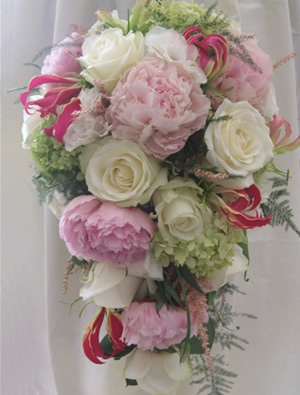
They also come in beautiful soft pastel shades such as soft peach and pink.  These are popular in wedding bouquets for their romantic quality and perfect compact shape.

ranunculus Jug

Tags: , , , ,

spring bridal bouquet

Flowers that are in season are generally the best quality and price, as they are abundant in their natural season.  They are also greener. Although some flowers can be sourced out of season if you have your heart set on a particular flower, expect to pay a premium for those flowers.  As they are often grown abroad and are shipped in especially. Sometimes suppliers also require a minimum number is ordered for special orders.  For example, it might not be feasible to use tulips in only one arrangement during the summer months.  There are of course a lot of popular wedding flowers available all year round such as roses, lilies and gerbera.

Flowers that have a short season seem even more precious, because of the short time they are available for.  Couples that choose seasonal flowers will also have the added joy of seeing their wedding flowers blooming in gardens around the time of their anniversary every year.

Spring wedding flowers

laburnum arch

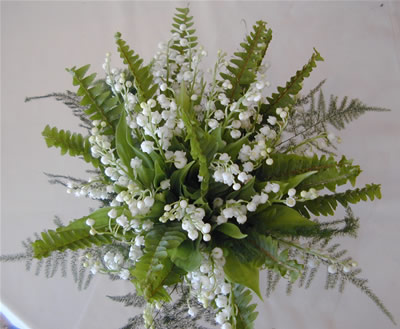
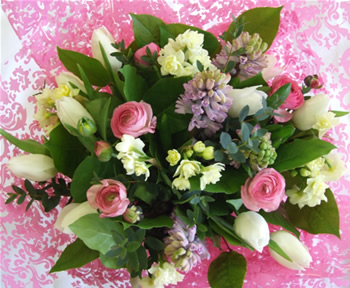
When you think of spring, you might think of daffodils, tulips and hyacinths.  Bulb flowers are synomonous with spring.  Such as anemones, lily of the valley, narcissi and rannunculus.  Tulips alone are available in hundreds of colours from soft pinks and creams to deep reds and rich purples.   There are plenty of colours to choose from in spring, whether you want pretty pastels or vibrant clashing tulips.  Although bright shades are always a tonic when the weather is unpredictable in early spring and can help to bring the sunshine inside. Scented flowers are plentiful at this time of year, Hyacinths, lily of the valley and narcissi all have fabulous sweet scents.  Late spring brides are also treated to fabulous blossom on fruit trees, wisteria and laburnum.

wisteria

The above photographs were taken at Bodnant Garden in Wales, their famous laburnum arch is in bloom from late May to early June.

Next time I’ll continue our colour blogs looking at the best flowers available for Summer and Autumn weddings

Tags: , , ,

mood board

May is the perfect time for soft blues.  Which make for a very elegant spring wedding theme.  Gardens are filled with powder blue forget-me nots, delicate bluebells and dreamy wisteria blooms.  Don’t be afraid to mix silver and greys into this kind of colour scheme.  Shades of muted greys and cool blue will compliment one another.  The grey painted trellis looks beautiful next to the wisteria.

These kind of colours really suit a vintage theme as well.  There are no end of vintage style bits and bobs in shades of blues and greys.  From ribbons to cake tins, chintzy fabrics and vintage crockery, you’ll have no problem finding the perfect accessories to go with this colour scheme.

If you decided on blue for bridesmaid’s dresses and other outfits I would suggest staying with ivory flowers and just a touch of blue, such as forget-me-nots dotted throughout or soft bluey grey eucalyptus.  Or if you want the flowers to be the main focus of colour go all out with the blue and have a hand tied bouquet of English grown bluebells with a simple foliage collar.  Young flower girls in ivory dresses with a blue sash would be picture perfect carrying a small basket of rose petals.

Tags: , ,

tulip arrangement

Common name:  Tulip

Botanical Names: Tulipa

Origin: Middle East

Colours: all except true blue and black

Tulips get their name from the Turkish word meaning turban, due to it’s rounded shape.  They have been cultivated in Europe since the 16th century. The Dutch began growing them in 1593 and by 1644 the Dutch upper classes were gripped by tulip mania.  Bulbs begun changing hands for huge amounts, some upto £400, todays equivalent of £4 million.

Although tulips are grown in the Netherlands, many are also grown in the UK. Their season is November to May (the British season is January to April). They are the third biggest selling flower in Holland and very popular in the UK as well.  It’s easy to understand why, available 3000 colours from cheery orange and yellows to the palest blush pink right through to velvety purple and reds.

Tulips are often said to go droopy in a vase, this is usually because they continue to grow towards sunlight.  They often open wide in daylight and close at night.  They should be re-cut after a few days to avoid this.  Unless you like the wild look like we do. If they are a slightly curved when bought this can be corrected by wrapping them tightly in paper and leaving in water overnight.

tulip hand tied bouquet

I like using tulips in allsorts of bouquets and arrangements, they look fabulous in fat spring hand tieds, so wide you can barely hold them. Although they are just as pretty in a jug or in spring wedding bouquets. Some of my  favourite fancy ones are the ruffled parrot tulips and the fringed tulips that have gorgeous frilly lips.

Tags: ,

Flower of the week

daffodils

Common name:  Daffodil

Botanical Names: Narcissus

Origin: South Western Europe

Colours: cream, yellow, orange and peach

Daffodils were first cultivated by the Romans.  They are now grown in the UK and exported to Holland.  Many people call small varieties of Daffodil Narcissi, but in fact all Daffodils are Narcissi.  Although the small scented varieties are commonly known as Narcissi.  Daffodils are available from October to April.  The season starts in the warmer Scilly Isles in October and ends in Scotland during April.  The Flower is trumpet shaped and often has different coloured outer petals.  There are many different varieties of Daffodil including scented and double Daffodils.  All parts of the plant are poisonous.

daffodil close

The flower is named after Narcissus in Greek legend.  They are many versions of his tale.  One says Narcissus was very beautiful but scorned all who loved him.  Nemesis punished him for his unfeeling heart, causing him to fall in love with his own reflection in a pool and pine away at his own image until he died.  The Narcissus flower is said to have sprung up where he died.  The word Narcissus is also said to derive from the Greek for numbness referring to the flowers narcotic properties.

The cut flower lasts 3-6 days in a vase and will last longer kept out of direct heat and sunlight.  They look equally good en masse or in a mixed spring bouquet.  Daffodils should be first treated on their own as they exude a toxic sap when first cut.  If you are buying your Daffodils already in water from a florists these will be fine to mix with other flowers as they will have already been treated.

double daffodils

Tags: , ,

« Older entries § Newer entries »